16 Steps in a Standard Home Inspection Gainesville FL Process

Buying a home is a major investment, and a detailed home inspection Gainesville FL process ensures you're making the right decision. Gainesville’s climate, soil, and construction style all influence the condition of residential properties. That’s why Gainesville Home Inspection Group follows a systematic and highly reliable 16-step inspection method that gives homeowners complete clarity before closing a deal.
In this guide, you'll learn how each step works, what professional Gainesville home inspectors look for, and how the findings help protect your long-term investment.
Understanding the Purpose of a Home Inspection
A home inspection is a non-invasive, visual assessment that evaluates the overall safety, structure, and performance of a home. Buyers depend on accurate inspections to identify issues early, estimate repair needs, and negotiate fair pricing.
Why Gainesville FL Homes Need Specialized Inspections
Homes in Gainesville face unique challenges including:
-
High humidity leading to mold and moisture issues
-
Occasional storms affecting roofs and exterior structures
-
Soil movement impacting foundations
-
Aging homes requiring updated electrical and plumbing systems
This makes choosing a Gainesville home inspection company with local expertise essential.
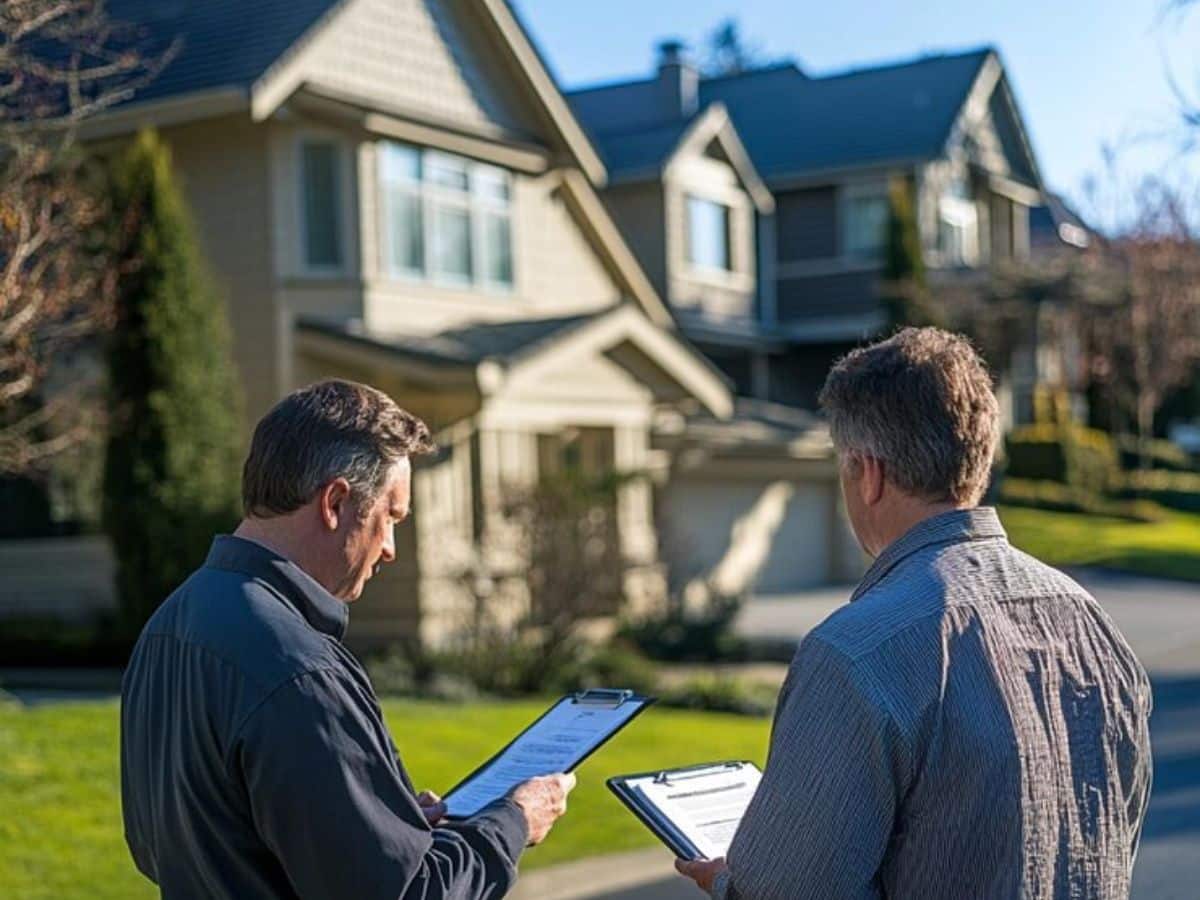
Step 1 – Reviewing Property Records & Exterior Overview
Every inspection begins with research. Inspectors review:
-
Property age
-
Previous renovations
-
Visible exterior conditions
This helps determine where potential risks may appear. It sets the tone for a structured home inspection process.
Step 2 – Examining the Roof System Thoroughly
Roof damage is one of the most common concerns. Inspectors evaluate:
-
Shingles
-
Flashings
-
Soft spots
-
Chimney stability
-
Gutter alignment
Quality home inspections always begin from the top because roof issues often lead to internal problems.
Step 3 – Inspecting Attic, Insulation & Ventilation
Attics reveal:
-
Ventilation problems
-
Rodent or pest activity
-
Insulation efficiency
-
Moisture penetration
Poor insulation can increase energy bills and cause structural deterioration.
Step 4 – Assessing the Foundation & Structural Components
Inspectors check:
-
Cracks in slabs
-
Floor alignment
-
Load-bearing beams
-
Moisture seepage
-
Soil movement impact
Foundation stability directly impacts property value and safety.
Step 5 – Checking Electrical Systems for Safety
Electrical inspections cover:
-
Wiring conditions
-
Breaker panel
-
GFCI outlets
-
Fire hazards
-
Outdated systems
This step is crucial for preventing accidents and ensuring compliance with Florida safety codes.
Step 6 – Evaluating Plumbing Fixtures & Water Flow
Plumbing problems quickly become expensive. Inspectors assess:
-
Water pressure
-
Pipe material
-
Drainage speed
-
Shower/tub function
-
Water heater condition
If leaks or corrosion exist, early detection saves thousands in repairs.
Step 7 – Inspecting HVAC Performance & Air Quality
HVAC systems must function efficiently in Gainesville’s warm climate. Inspection includes:
-
Cooling output
-
Air filters
-
Duct conditions
-
Thermostat accuracy
-
Strange noises or odors
A well-working HVAC improves indoor comfort and air purity.
Step 8 – Interior Walls, Ceilings & Flooring Assessment
Inspectors evaluate:
-
Cracks
-
Stains
-
Uneven flooring
-
Termite or mold signs
-
Structural deformities
Interior signs often point to bigger hidden issues.
Step 9 – Windows, Doors & Weatherproofing Checks
This step includes:
-
Seal condition
-
Air leakage
-
Water intrusion
-
Frame alignment
-
Screen functionality
Proper sealing reduces energy loss significantly.
Step 10 – Appliance Testing & General Functionality
When included, inspectors test:
-
Oven
-
Refrigerator
-
Microwave
-
Dishwasher
-
Laundry units
They ensure everything operates safely and correctly.
Step 11 – Garage & Driveway Structural Review
Garage inspections include:
-
Door mechanisms
-
Sensors
-
Wall integrity
-
Floor cracks
-
Driveway slope
A neglected garage can reduce safety and curb appeal.
Step 12 – Exterior Drainage & Grading Evaluation
Improper grading often causes water damage. Inspectors look for:
-
Pooling water
-
Soil erosion
-
Downspout placement
-
Slope direction
Improving drainage protects the home’s foundation.
Step 13 – Pool & Deck Inspection (If Applicable)
Gainesville homes with pools require special evaluation:
-
Pool equipment
-
Tile condition
-
Deck structure
-
Safety barriers
-
Water clarity
This ensures the pool area meets Florida safety requirements.
Step 14 – Pest, Mold & Moisture Detection
This step protects your health and investment. Inspectors check for:
-
Termites
-
Wood rot
-
Mold growth
-
Water damage
-
Mildew odors
Florida’s humidity makes this step absolutely necessary.
Step 15 – Safety Components & Code Compliance Review
Inspectors assess:
-
Smoke detectors
-
CO alarms
-
Handrails
-
Stair safety
-
Code violations
Ensuring compliance avoids fines and keeps your family safe.
Step 16 – Final Walkthrough & Detailed Report Delivery
After completing all checks, Gainesville Home Inspection Group provides:
-
A digital report
-
Photos and videos
-
Repair recommendations
-
Safety notes
-
Estimated urgency level
This empowers buyers to negotiate and plan confidently.
FAQs
1. How much do home inspection prices vary in Gainesville FL?
Home inspection prices depend on home size, age, and add-on services. Most Gainesville inspections range from $300 to $550.
2. How long does a complete property inspection take?
A standard inspection takes 2–3 hours, depending on square footage and system complexity.
3. Do Gainesville home inspectors check for mold?
Yes, many inspectors include mold detection or offer it as an add-on service.
4. Are home inspections mandatory in Florida?
No, but they’re strongly recommended to identify hidden issues before buying.
5. What makes Gainesville Home Inspection Group different?
They offer local expertise, detailed reporting, and a comprehensive 16-step inspection process.
6. Do inspectors check for permit violations?
They review accessible records and warn buyers about unpermitted work.
Conclusion
A detailed home inspection Gainesville FL process protects your investment and ensures you understand exactly what you're buying. By choosing Gainesville Home Inspection Group, you get the advantage of professional insights, accurate reporting, and a proven 16-step inspection method trusted across the region. Whether you're purchasing your first home or upgrading your property, a high-quality inspection gives you the confidence to move forward wisely.
.jpg)


Comments
Post a Comment